A synthesis of the channel's material about Onboarding Flow Design.

Mobbin
@mobbindesign · 36K subscribers · 12 videos
Screen time, condensed
Studied
Watch
1 h
of video
2× shorter to read than to watch the 8 studied videos
Read
30 m
to read the study guide
7 topics · 8 of 13 videos studied
At a glance
The channel's strongest evidenced focus is large-scale, data-driven UX and product-monetization analysis for consumer apps, plus adjacent interview and AI-tooling episodes.
- Core focus: each video is built on a stated study corpus (e.g., 393 cancel flows, 1,460 onboarding flows, 2,108 dashboards, 859 streak designs, thousands of paywalls).
- Adjacent content: the channel also publishes interview and AI-tooling episodes alongside the quantitative studies.
- Technology
- Lifestyle (sociology)
Channel assessmentAI estimates · 6 scores, equal weight. Higher is better.79/100
Exploration usefulness
86/100
The channel is highly learning-useful, pairing large analyzed samples with concrete frameworks and acknowledged limitations.
- Specificity: descriptions name exact sample sizes, named case studies (Duolingo, Shopify, Mercury), named researchers (Wolfram Schultz, Lally et al.), and topic-level chapters.
- Actionable detail: episodes cover test frameworks, conversion metrics, compliance caveats, and practical alternatives like pause options and exit-survey design.
- Limit: curated metadata cannot confirm execution quality of the analyses; one comment flags a discrepancy between a claimed 1,460 flows and Mobbin's apparent 935-filter count.
- Honesty signal: the cancel-flow episode explicitly discloses iOS under-representation in its data.
Reliability
82/100
Curated content leans on stated, quantified studies with disclosed caveats, and comments mostly add verification rather than contradiction.
- Evidenced claims: repeated large-sample study framing plus explicit caveats (iOS Settings cancellations, B2C-only onboarding data) support credibility.
- Correction pressure: commenters challenge causation (long onboarding vs. success), question sample figures, and note screenshot patterns lack conversion evidence, indicating claims are falsifiable and discussed.
- Limit: comments note the Mobbin MCP video produced mixed real-world results for paid users and functions partly as promotion, slightly lowering confidence for that episode.
Freedom from promotion
70/100
Most episodes are standalone research analyses, but one video is explicitly sponsor-aligned with Mobbin.
- Signal: the dashboard and onboarding studies link to free Mobbin blog write-ups; interview content monetizes indirectly rather than pushing paid offers.
- Signal: commenters repeatedly flagged the Claude/Mobbin MCP video as effectively an advertisement, citing quarterly-minimum pricing and no trial.
- Limit: no evidence of coaching funnels, paid courses, or affiliate pitching in the remaining curated descriptions.
Originality
88/100
Each upload is a distinct original study or interview rather than recycled material, with some deliberate companion pieces rather than duplicates.
- Signal: sample sizes, topics, and chapter structures differ across all eight videos; no near-duplicate uploads appear in the curated set.
- Signal: the 4,700-paywall episode is labeled a companion to a prior paywall episode while covering distinct material (early optimization, metrics timing).
- Limit: recurring Mobbin sourcing and shared paywall/onboarding subject matter create thematic overlap across episodes.
Community discussion
78/100
The sampled comments show substantive, critical, practitioner-level discussion across most episodes.
- Critical engagement: commenters challenge causation in onboarding findings, question methodology (paywall variant exposure, filter counts), and debate whether streaks undermine intrinsic motivation.
- First-hand experience: replies include a Lyft onboarding designer's perspective, creators' abandonment data from their own flows, and reports of MCP output falling short of promises.
- Constructive exchange: multi-reply threads resolve questions (Figma connector setup, alternative billing rules) and propose follow-ups (Adobe cancellation, B2B onboarding).
- Limit: evidence is a newest-first selected sample with no like counts, identities, or totals, so breadth and representativeness of overall discussion cannot be judged; some comments are simple tool questions or requests for text versions.
Freshness
68/100
Newest video 11 days ago · 10 uploads in the last 12 months
Shows or hides this section on the page
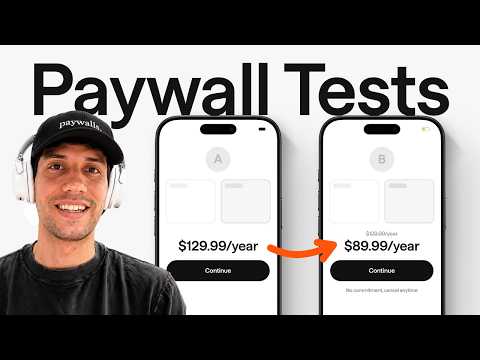
A synthesis of the channel's material about Paywall Design and Conversion Patterns.
A synthesis of the channel's material about Pricing and Paywall Experimentation.
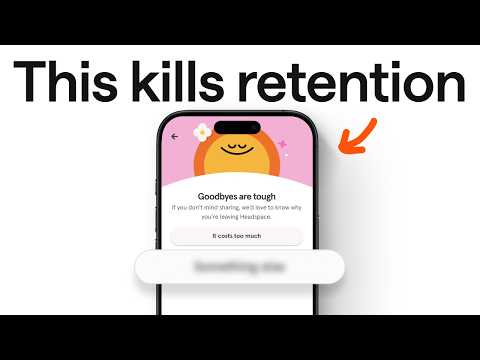
Discounts, pauses, plan switches and trial extensions can win back cancelling customers, but each has a ceiling. Survey wording, personal reminders, and the churn, save rate, and LTV numbers show whether the flow holds.
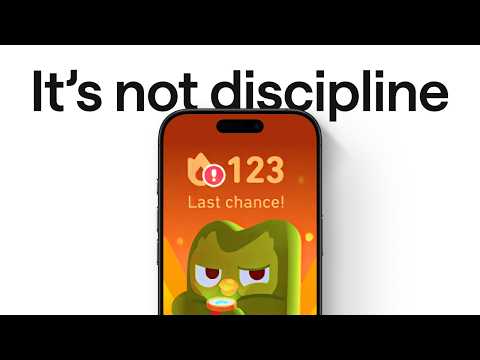
Streaks pull people back through fear of loss, attachment to mascots, and the anticipation of reward. Duolingo's streak freeze and flexible-goal tests suggest recovery design can beat strictness, though evidence on lasting habits remains thin.
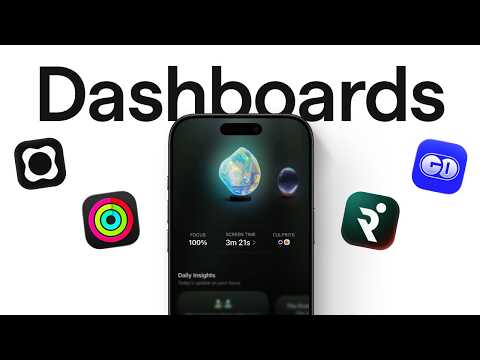
Shows or hides this section on the page
We Studied 2,995 Paywalls. Here’s What Actually Converts.
Jul 9, 2026 · 181K views
We Studied 393 Cancel Flows. This Wins People Back.
Oct 13, 2026 · 24K views
He Spent $1M on A/B Tests. Here's What Won.
Sep 9, 2026 · 171K views
He Tested 4,700 Paywalls. These Won.
Aug 11, 2026 · 9K views
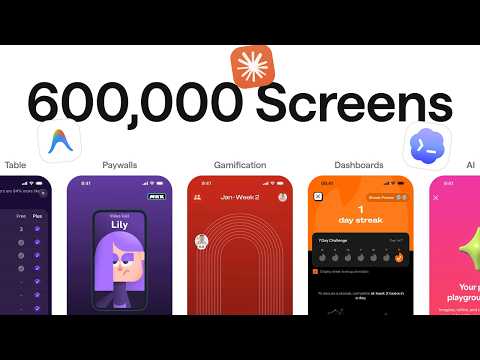
I Gave Claude 600,000 UI Screens… Then This Happened
Jul 27, 2026 · 340K views
The Psychology Behind Streaks
May 26, 2026 · 11K views
I Studied 2,108 Dashboards To See What Sticks
May 5, 2026 · 86K views
I Studied 1,460 Onboarding Flows. Here's What I Found.
Apr 16, 2026 · 384K views
Soulful apps that no longer exist 🌷
Apr 13, 2026 · 1.5K views
Beautiful apps that no longer exist 💐
Mar 30, 2026 · 1.2K views
Introducing abtest.design
Sep 13, 2024 · 2.9K views
Mobbin
Jul 17, 2024 · 7.4K views
Meet Mobbin
Nov 14, 2018 · 4.2K views